You step out of the shower feeling fresh, but a few hours later, your roots already feel greasy, heavy, or uncomfortable. Maybe your scalp feels itchy, your hair looks flat, or you notice tiny flakes even after shampooing. If this sounds familiar, you might wonder whether you are washing your hair the wrong way.
For many New Yorkers, keeping the scalp fresh can be challenging. Between daily commutes, gym sessions, long workdays, changing weather, and frequent use of styling products, your scalp can accumulate oil, sweat, dead skin cells, and product residue faster than you expect.
The good news? A scalp that still feels dirty after washing does not necessarily mean you need to shampoo more aggressively. Understanding what is causing the buildup can help you find a better hair care routine.
Why Does My Scalp Feel Dirty Even After Shampooing?
Your scalp naturally produces sebum, an oil that helps protect the skin and hair. However, when excess oil mixes with sweat, dead skin cells, pollution, and hair product residue, it can leave your roots feeling greasy or coated.
Here are some common reasons your scalp may not feel clean after washing.
1. Product Buildup Is Trapped Near Your Roots
Dry shampoo, hair sprays, styling creams, leave-in conditioners, and scalp oils can leave residue behind, especially when used frequently. Over time, this buildup may make your hair feel waxy, heavy, or difficult to refresh with your usual shampoo.
If your roots feel coated even immediately after washing, consider whether your current products are too heavy or whether your cleansing routine needs adjusting.
2. Your Shampooing Technique Needs Attention
Shampoo works best when it is applied directly to the scalp, where oil and residue accumulate. Quickly washing the surface of your hair without thoroughly cleansing the roots may leave some areas less clean than others.
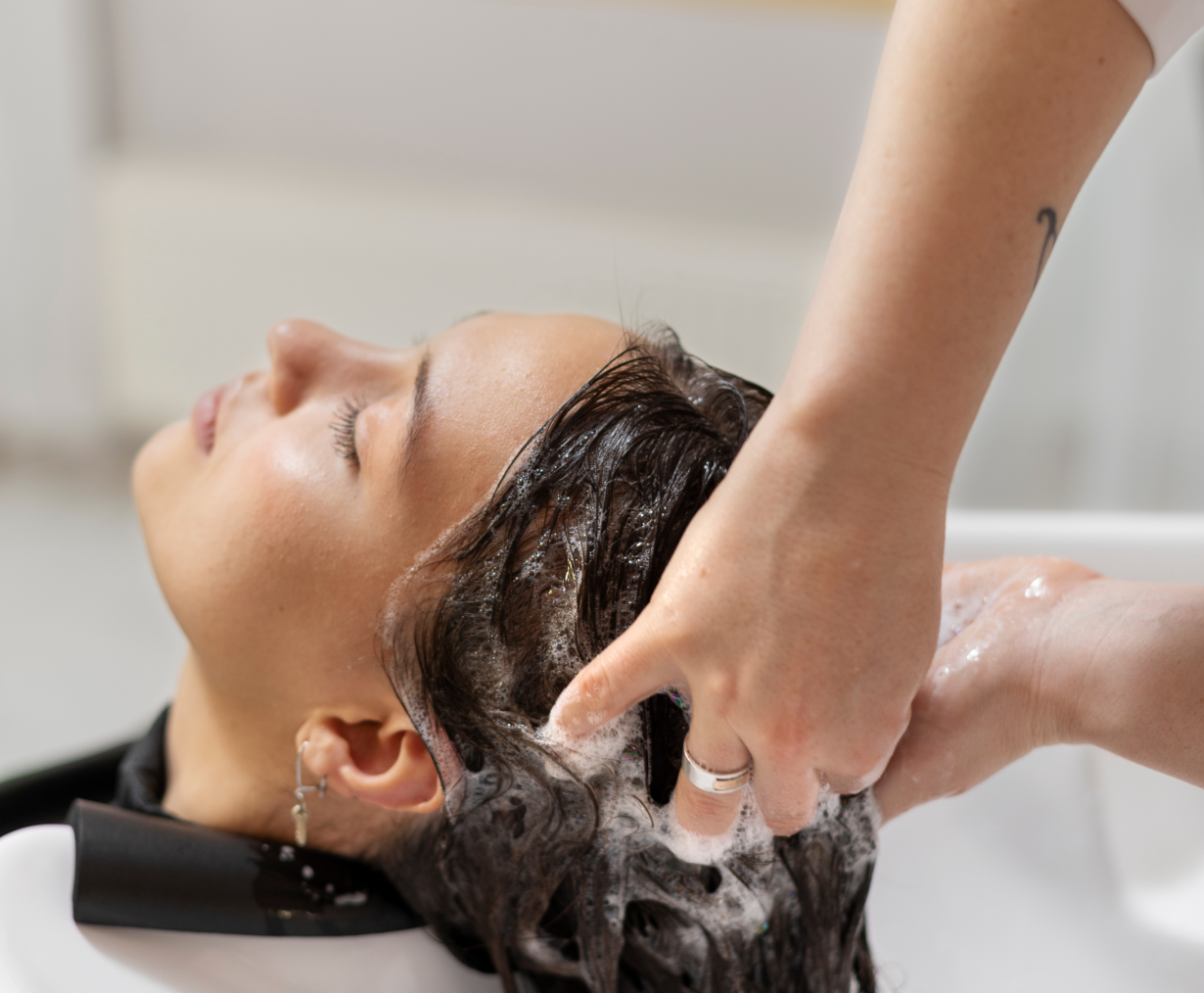
Use your fingertips, not your nails, to gently massage shampoo across the scalp. Pay attention to the hairline, crown, and areas behind the ears. Rinse thoroughly, since leftover shampoo can also contribute to an uncomfortable feeling.
If you use a lot of styling products or have a particularly oily scalp, a second gentle shampoo may sometimes help. It is not necessary for everyone.
3. Your Scalp Produces More Oil Than You Realize
Some people naturally have oilier scalps because of genetics, hormones, or individual skin characteristics. If your hair looks greasy by the end of the day, even after a thorough wash, your scalp may simply need a different washing schedule.
There is no single rule that works for everyone. Your ideal hair-washing frequency depends on your scalp, hair texture, lifestyle, and the products you use.
4. Sweat and City Life Can Affect Your Hair
Living in New York means spending plenty of time outdoors, walking between subway stops, exercising, and moving through crowded, heated, or air-conditioned spaces. Sweat, humidity, and environmental particles can contribute to a scalp that feels less fresh, especially when combined with natural oil and styling products.
During warmer months, you may notice more sweat and oil around your hairline. As fall and winter arrive, indoor heating and colder weather can also make scalp comfort more complicated, particularly if you experience dryness or flaking.
Your hair care routine may need to change with your activities and the season.
5. It Might Be Dandruff or Another Scalp Concern
A scalp that feels dirty is not always dealing with simple buildup. Persistent itching, redness, or recurring flakes may be signs of dandruff or another skin condition, such as seborrheic dermatitis.
Dry scalp and dandruff can look similar, but they do not always have the same causes or require the same approach. If symptoms persist despite a suitable routine, a dermatologist can help identify the issue and recommend appropriate treatment.
How Can You Get Rid of Scalp Buildup?
If your scalp never seems completely fresh, start with a few practical changes rather than adding several new products at once.
Choose a shampoo for your scalp needs.
Rinse thoroughly
Keep heavy products away from the roots when possible
Use clarifying shampoo thoughtfully
Wash after heavy sweating when needed
Avoid harsh scrubbing, scratching, or using multiple exfoliating products together. A clean scalp should not feel sore, tight, or irritated.
When Should You Consider a Professional Scalp Treatment?
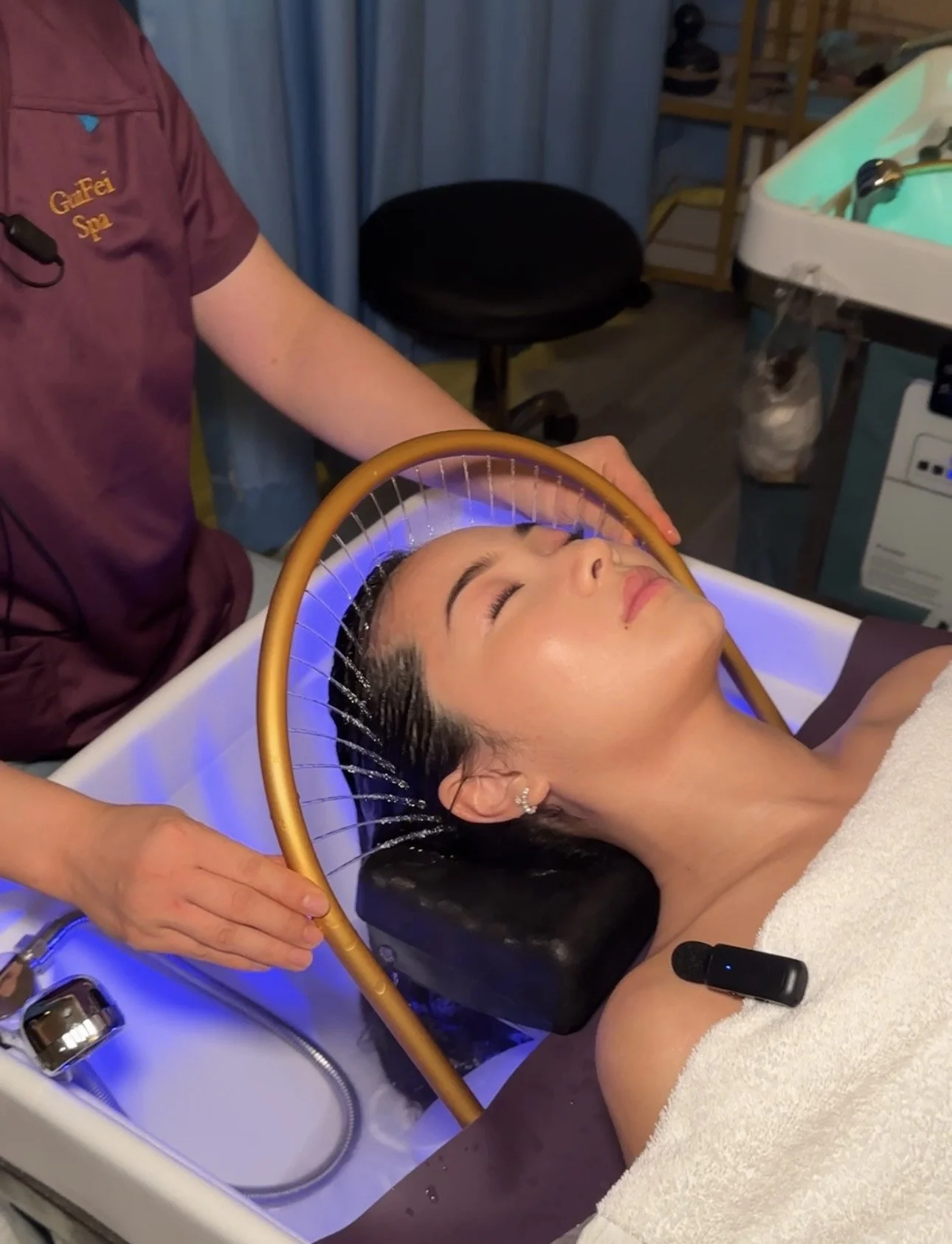
If your scalp still feels oily or weighed down after washing, a professional scalp treatment may help address buildup while providing a relaxing self-care experience. A head spa may include scalp cleansing, gentle massage, and scalp assessment, depending on the service.
For persistent itching, redness, or excessive hair shedding, consult a dermatologist to identify the cause.
Give Your Scalp the Attention It Deserves
A fresh-feeling scalp starts with the right cleansing routine and products for your needs. By addressing oiliness and product buildup, you can make scalp care a more effective part of your everyday routine—even with a busy New York lifestyle.
