Noticing more hair than usual on your pillow, in the shower drain, or on your hairbrush can be concerning. Hair shedding is a normal part of the hair growth cycle, but when it seems more noticeable, you may start wondering whether your hair care routine needs a change.
Your scalp plays an important role in maintaining a comfortable environment for healthy-looking hair. From how you wash your hair to the products you use, everyday habits can influence your scalp's condition. Understanding the connection between scalp care and hair shedding can help you make more informed decisions about your hair care routine.
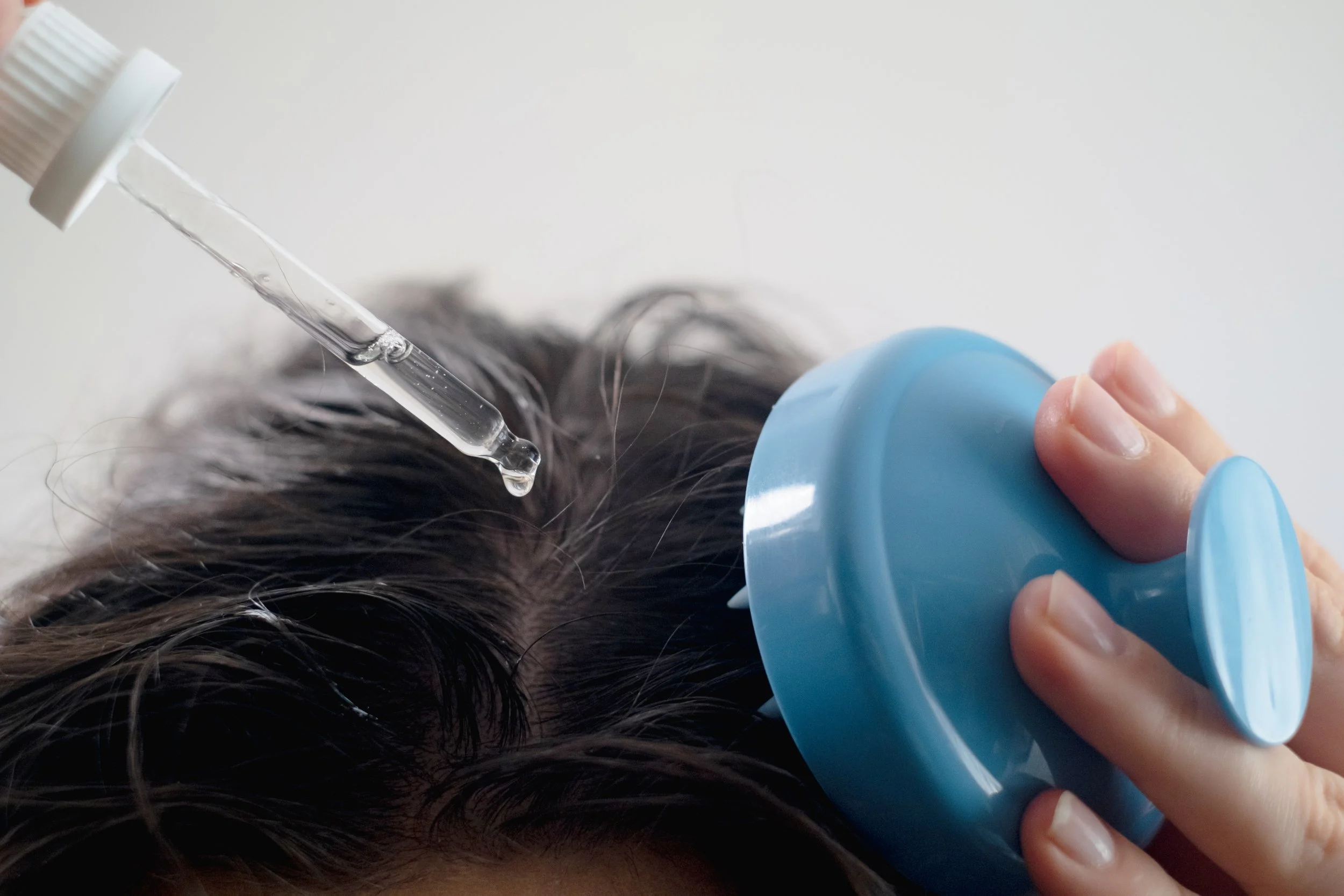
Is Hair Shedding Normal?
Most people naturally shed around 50 to 100 hairs per day as part of the normal hair growth cycle. The amount you notice can vary depending on your hair length, washing frequency, and brushing habits.
However, increased shedding may sometimes occur after illness, significant stress, hormonal changes, nutritional deficiencies, or certain medications. Tight hairstyles, excessive heat, and rough handling can also contribute to hair breakage, which may look similar to shedding.
If hair loss becomes sudden, persistent, patchy, or noticeably heavier than usual, consider consulting a dermatologist to identify the cause. Scalp treatments alone cannot address every type of hair loss.
How Your Scalp Care Routine Makes a Difference
Your scalp is skin, which means it benefits from consistent, gentle care. Excess oil, sweat, and product residue can accumulate between washes, potentially contributing to discomfort or buildup.
A simple scalp care routine can help keep your scalp clean and comfortable:
Wash regularly: Choose a washing schedule that suits your scalp and hair type. Oily scalps may need more frequent washing than dry scalps.
Use a suitable shampoo: Gentle cleansing helps remove excess oil and residue without unnecessarily irritating your scalp.
Avoid aggressive scrubbing: Use your fingertips rather than your nails when washing to minimize irritation and tangling.
Be gentle with wet hair: Wet strands are more vulnerable to breakage, so detangle carefully and avoid rough towel drying.
Limit excessive heat and tight hairstyles: Frequent high-heat styling and hairstyles that pull on the roots can contribute to hair damage and traction-related hair loss.
These habits help support scalp hygiene and reduce avoidable damage, although they cannot guarantee that hair shedding will stop.
Can Stress and Scalp Discomfort Affect Your Hair Care?
Busy schedules, poor sleep, and everyday stress can influence your overall well-being. Significant physical or emotional stress may also trigger a type of temporary hair shedding called telogen effluvium, which often becomes noticeable several months after the triggering event.
It is important to distinguish this from an itchy or oily scalp. While scalp discomfort may make hair care more difficult, oiliness or product buildup alone does not necessarily cause hair loss.
Making time to rest, maintaining balanced nutrition, and following a consistent hair care routine can support general well-being. If shedding continues, identifying the underlying cause is more useful than simply changing shampoos or adding more treatments.
How a Head Spa Can Support Your Scalp Care Routine
Sometimes, caring for your scalp can be an opportunity to slow down and give yourself a little extra attention. A professional head spa experience combines scalp cleansing with relaxing techniques designed to make your hair care routine feel more restorative.
At Guifei Spa, our head spa services offer a dedicated scalp care experience that may include shampooing, scalp massage, steam, and other treatment steps depending on the service you choose.
A scalp massage can feel relaxing and help ease everyday tension around the head, neck, and shoulders. Professional scalp cleansing can also help remove excess oil and surface buildup, leaving your scalp feeling refreshed.
However, it is important to understand that a head spa is not a proven treatment for hair loss and cannot guarantee hair regrowth. If your main concern is persistent shedding or thinning, a dermatologist can help determine whether the cause is related to genetics, hormones, nutrition, or another condition.
When Should You Pay More Attention to Hair Shedding?
Occasional shedding is generally expected, but certain changes deserve closer attention. Watch for a widening hair part, a receding hairline, bald patches, scalp redness, persistent itching, or a sudden increase in the amount of hair you lose.
Avoid relying on scalp massages or cosmetic treatments to manage unexplained hair loss. Seeking professional medical advice early can help you understand your options and avoid delaying appropriate treatment.
Give Your Scalp the Care It Deserves
Hair care is about more than the products you apply to your strands. Keeping your scalp clean, handling your hair gently, and recognizing changes in your shedding pattern are all important parts of a thoughtful routine.
If you're looking for a relaxing way to maintain scalp hygiene and unwind, a head spa session at Guifei Spa can be a welcome addition to your self-care routine.
Take a moment to care for your scalp, relax your mind, and enjoy a refreshing head spa experience at Guifei Spa. And if hair shedding is persistent or unusual, remember that understanding the cause is the first step toward choosing the right care.
