Have you ever noticed that your shoulders feel stiff after a long workday while the rest of your body feels fine? Or perhaps your lower back feels tight after sitting for hours, even when you haven't done any strenuous activity. These differences are common and often reflect how you move, work, rest, and manage everyday stress.
For busy New Yorkers, long commutes, hours at a desk, and walking through the city can place different demands on different muscle groups. Understanding why certain areas feel tighter than others can help you make better choices for your daily comfort and wellness.
Why Does Muscle Tightness Affect Certain Areas More?
Muscle tightness can develop for several reasons, and it doesn't always affect the entire body equally. Certain muscles may work harder than others depending on your posture, daily activities, and movement patterns.
Here are some common factors that can contribute to localized tightness.
1. Spending Too Much Time in One Position
Sitting at a desk, looking down at your phone, or driving for extended periods can keep certain muscles in the same position for too long. Your neck, shoulders, hips, and lower back may feel stiff when you finally stand up or change positions.
Taking regular movement breaks and gently stretching throughout the day can help reduce the discomfort associated with prolonged sitting.
2. Repetitive Movements and Daily Habits
Your body adapts to the activities you repeat most often. Carrying a bag on one shoulder, standing for hours, or frequently using one side of your body may place different demands on particular muscles.
Over time, these habits can contribute to uneven muscle fatigue or a feeling of tightness in specific areas. Alternating sides when practical and maintaining a variety of movements may help you avoid overusing the same muscle groups.
3. Stress and Muscle Tension
Stress doesn't only affect your mood. It can also influence how your body feels physically. When you're under pressure, you may unconsciously clench your jaw, raise your shoulders, or tighten your back muscles.
If this happens frequently, you may notice persistent tension in certain areas, particularly around your neck and shoulders. Relaxation techniques, adequate sleep, and regular physical activity can help support your overall well-being.
4. Exercise, Physical Activity, and Recovery
Exercise challenges your muscles, and some areas may feel tighter or more fatigued than others afterward. This can depend on the movements you perform, your activity level, and how much time you allow for recovery.
Gentle movement, adequate rest, and gradual increases in exercise intensity can help your body recover. However, sharp pain or sudden tightness following an injury should not be treated as ordinary muscle soreness.
How Can You Help Your Body Feel More Comfortable?
You don't necessarily need a complicated routine to address everyday stiffness. Small changes throughout your day can help you become more aware of muscle tension and support better movement.

Move regularly: Stand up, walk around, or change positions during long periods of sitting.
Stretch gently: Focus on areas that feel stiff, but avoid forcing a stretch or pushing through pain.
Pay attention to posture: Adjust your workstation and avoid staying in one position for too long.
Make time for recovery: Prioritize sleep, rest days, and manageable physical activity.
Find ways to unwind: Breathing exercises and other relaxing activities may help reduce stress-related tension.
If tightness persists, worsens, or interferes with daily activities, consider consulting a healthcare professional to identify the cause.
How Body Massage Can Help With Everyday Muscle Tension
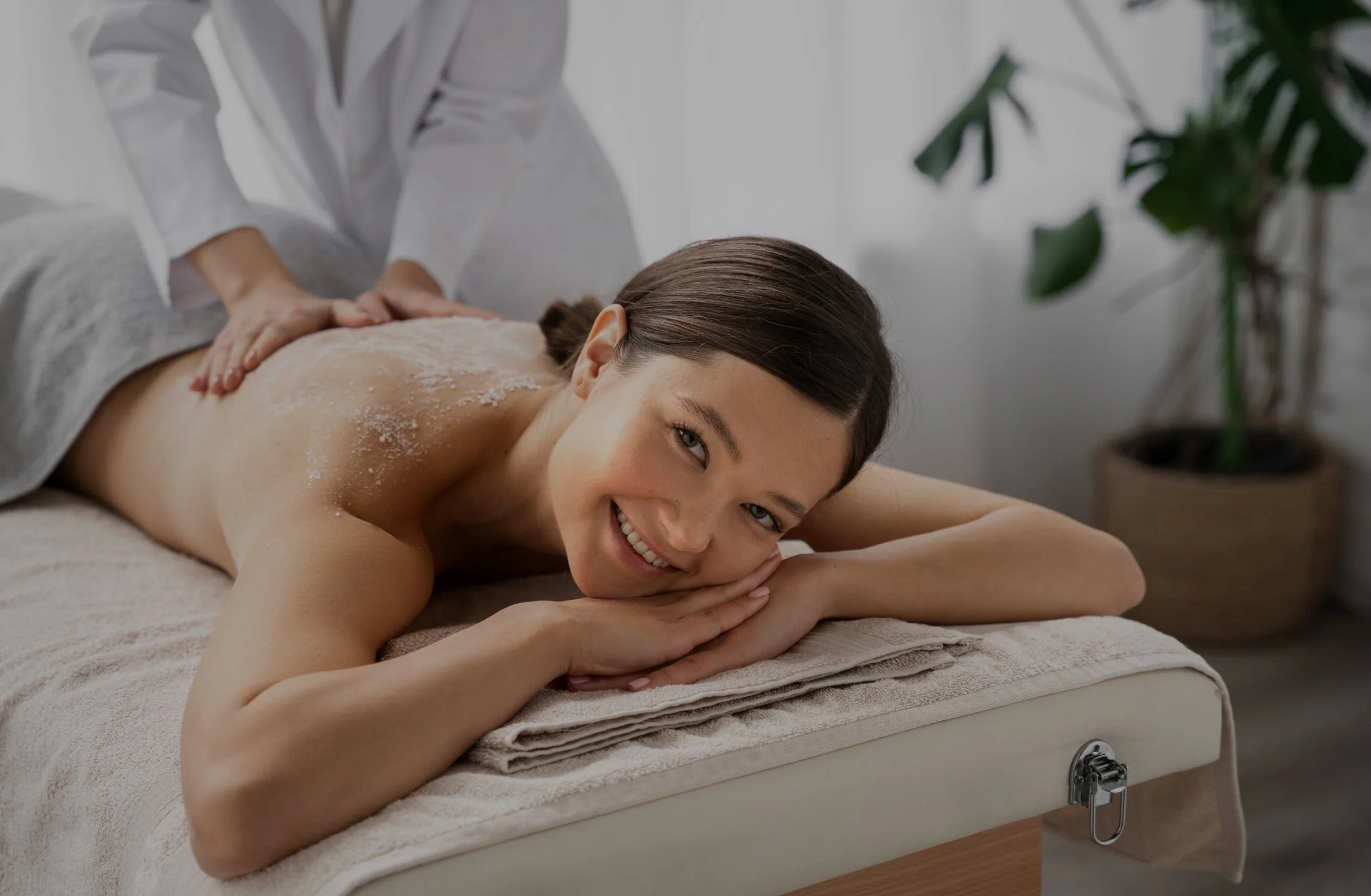
When certain areas of your body consistently feel tight, a body massage can be a relaxing way to give yourself a break from everyday physical demands.
Massage involves applying pressure and movement to soft tissues. Depending on the technique and individual, it may help reduce the feeling of muscle tension, promote relaxation, and provide temporary relief from some types of muscle discomfort.
At Guifei Spa, our body massage services offer an opportunity to slow down and focus on your comfort. Whether your shoulders feel tense after working at a computer or your back feels tired after a busy day exploring NYC, a massage session can be a welcome addition to your self-care routine.
Keep in mind that massage can help you feel more relaxed, but it may not resolve the underlying cause of recurring muscle tightness.
Give Your Body the Attention It Needs
Muscle tightness doesn't always affect every part of your body equally. Your daily habits, posture, stress levels, and physical activity can all influence which areas feel stiff or fatigued.
By moving regularly, stretching gently, allowing time for recovery, and paying attention to your body's signals, you can take practical steps toward feeling more comfortable.
Need a moment to unwind from the demands of NYC life? Explore body massage services at Guifei Spa and make relaxation part of your wellness routine. Sometimes, giving yourself time to slow down is an important step toward feeling your best.
