The Ultimate Guide to Cupping and Hot Stone Massage Therapy
If your muscles feel constantly tense, standard relaxation techniques might not quite hit the spot. That’s where specialized bodywork steps in.
Two of the most effective holistic wellness treatments—cupping therapy and hot stone massage—offer deep, targeted relief. While both relieve stress and ease chronic pain, they work in completely opposite ways.
Here is everything you need to know about how these therapies work, their benefits, and how to choose the right one for your body.
What is Cupping Therapy?
Unlike traditional massage, which applies downward pressure (compression), cupping therapy uses negative pressure (suction). Glass, silicone, or plastic cups are placed on the skin to pull tissue slightly upward.
Primary Benefits of Cupping
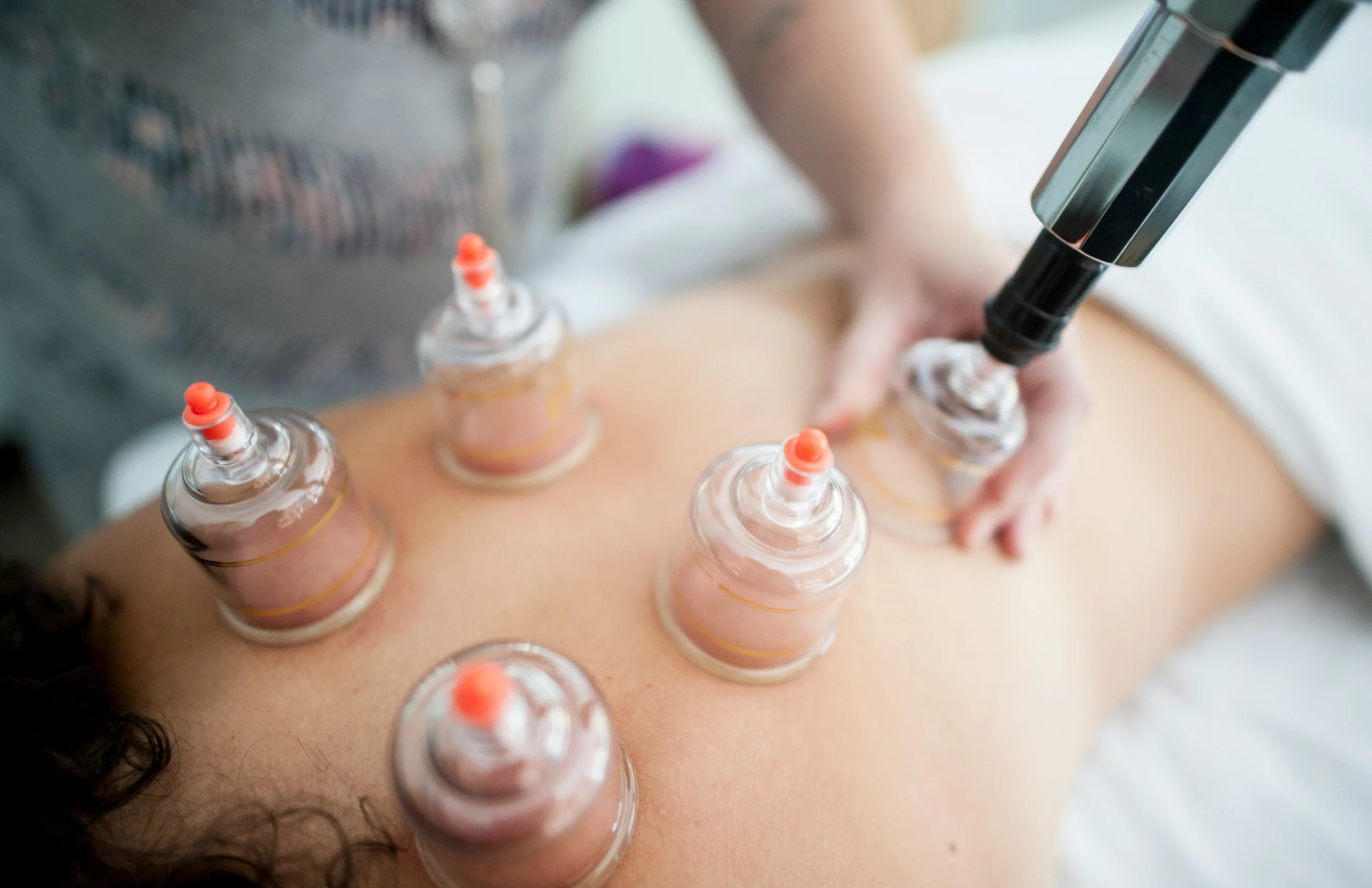
Fascial Release: Melts away stubborn knots, scar tissue, and structural tightness.
Accelerated Recovery: Speeds up muscle healing by flushing out built-up metabolic waste.
Targeted Pain Relief: Ideal for chronic back pain, tight shoulders, and post-workout stiffness.
Good to Know: Cupping often leaves circular, reddish-purple marks. These are not traditional bruises—they are temporary discolorations caused by blood being drawn into the surface tissue, usually fading within a few days to a week.
What Is Hot Stone Massage Therapy?
Hot stone massage therapy uses smooth, heated basalt stones placed on key points along your back, hands, or spine. Your therapist uses these warm stones as extensions of their hands to apply direct, soothing pressure.
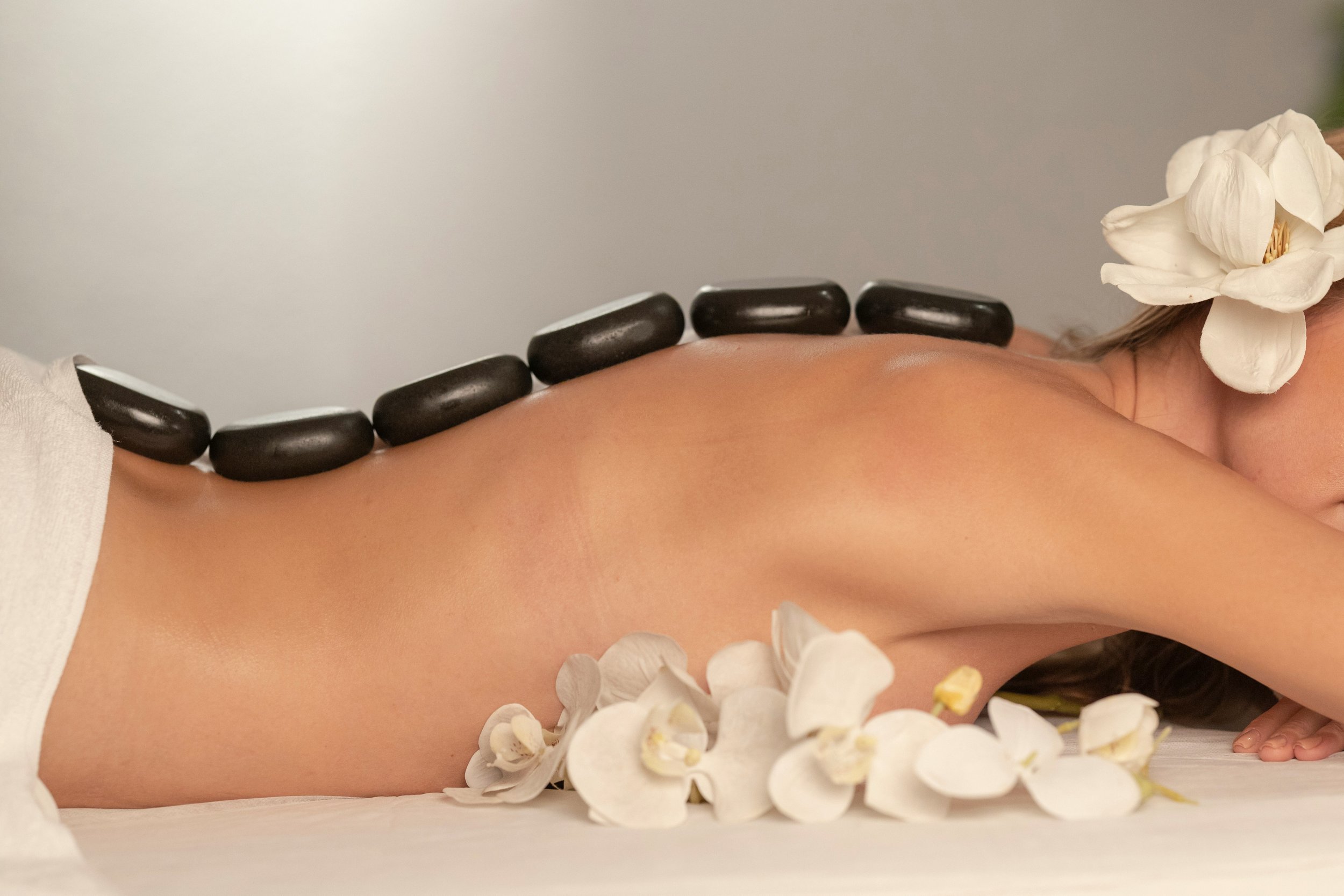
Primary Benefits of Hot Stone Massage
Deep Muscle Relaxation: The penetrating heat softens tight muscle fibers, making it easier to release deep knots without intense pain.
Stress and Anxiety Relief: Heat naturally calms the nervous system, helping lower cortisol levels.
Improved Circulation: Warmth dilates blood vessels, boosting oxygen flow throughout the body.
Cupping vs. Hot Stone: Which Is Right for You?
While both therapies relieve tension, their approach and results are quite distinct. Hot stone massage uses thermal compression to apply downward heat, making it best for overall relaxation, easing stress, and warming up a chronic chill. The experience feels warm, gentle, and deeply soothing, leaving you with warm, loose muscles.
In contrast, cupping therapy relies on negative pressure through upward suction, making it ideal for targeted athletic recovery, stubborn deep tissue knots, and stiff fascia. You will feel a tight tugging sensation that leads to an intense muscle release, though it does leave temporary circular marks on the skin afterward.
Can You Combine Both?
Yes. Many massage therapists offer combo sessions. The heat from hot stones first softens stiff, stubborn muscles, making the suction decompression from cupping even more effective afterward.
Ready to Book Your Session?
Whether you need the melting warmth of hot stones or the deep release of cupping therapy, both treatments offer powerful paths to pain relief and recovery. Listen to what your body is asking for: total relaxation or targeted relief.
