Tired-Looking Skin? How a Facial Can Refresh Your NYC Skincare Routine

New York City keeps you moving. Between commuting, working, walking around the city, spending time outdoors, and going from cold streets into heated or air-conditioned spaces, your skin goes through a lot too.
If your complexion has started looking dull, dry, rough, or simply tired, you may be wondering: Can a facial actually help refresh my skin, or do I just need a better skincare routine?
The answer depends on what your skin needs. A professional facial can complement your everyday skincare routine, while simple habits at home help maintain your skin between appointments.
Why Does My Skin Look Tired ?
There isn't one single reason skin can look tired. Your daily environment and skincare habits can both play a role.
For New Yorkers, seasonal changes are especially noticeable. Colder, lower-humidity weather can contribute to dry skin, while indoor heating can make the air even drier. The American Academy of Dermatology recommends adjusting your moisturizing routine when the seasons change and using products appropriate for your skin type
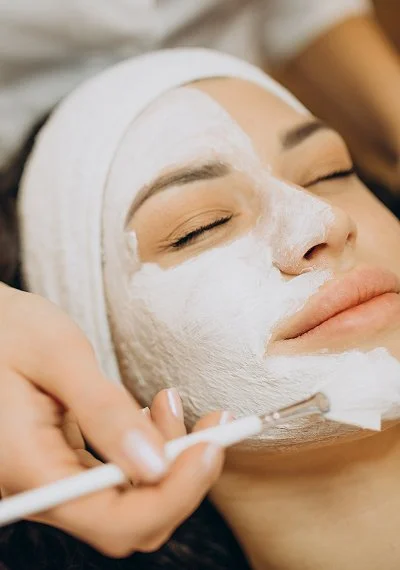
Your skin may look tired when you notice:
Dull or uneven-looking complexion
Dry or tight-feeling skin
Rough texture
Flakiness
Excess oil or surface buildup
Skin that doesn't look as fresh as usual
These concerns don't necessarily mean your skin is unhealthy. Sometimes, your routine simply needs a little more attention.
Can a Facial Help With Dull-Looking Skin?
A professional facial can provide more focused care than your quick morning or evening routine.
Depending on the facial, professional skincare may include cleansing, exfoliation, hydration, massage, and other skin-focused steps. Exfoliation, for example, removes dead skin cells from the outer layer of the skin, although the type and frequency should be appropriate for your skin type. Dermatologists caution that over-exfoliating can cause irritation and dryness.
A facial should not replace your daily skincare routine. Instead, think of it as an additional step that can complement what you already do at home.
What Should a Simple NYC Skincare Routine Include?
You don't need a complicated 10-step routine to take care of your skin.
A practical routine can start with:
1. Gentle cleansing
Use a gentle, non-abrasive cleanser and avoid scrubbing your face aggressively. The American Academy of Dermatology recommends washing with lukewarm water and applying cleanser gently with your fingertips.
2. Moisturizing
Moisturizer helps reduce water loss and can be especially useful when the weather is cold or dry. Your skin type should guide the type of moisturizer you choose.
3. Daily sun protection
Even during cooler months, sunscreen remains an important part of everyday skincare. The AAD recommends broad-spectrum sunscreen with SPF 30 or higher.
4. Professional facial care when needed
If your skin feels dull, dry, or in need of extra attention, a professional facial can be another part of your overall skincare routine.
How Can I Keep My Skin Looking Fresh Between Facials?
Professional facial care works best alongside simple daily habits.
Keep your cleanser gentle
Moisturize regularly, especially when your skin feels dry
Avoid excessive exfoliation
Use sunscreen during the day
Adjust your routine as NYC weather changes
Pay attention to how your skin reacts to new products
Consistency is often more useful than constantly adding new products. Dermatologists also caution that using too many products can irritate the skin.
Give Your Skin a Reset From the NYC Routine
Your skin experiences the same busy city life that you do. Long days, changing temperatures, indoor heating, and constantly moving from one place to another can make it harder to maintain a fresh-looking complexion.
A good skincare routine starts at home, but professional facial care can give your skin additional attention when it needs it.
So, if you're looking in the mirror and thinking, "Why does my skin look so tired?", it may be time to slow down, reassess your routine, and give your skin a little extra care.
A facial can be more than a beauty appointment—it's also a simple way to make time for your skin and yourself.
